Winter at Twemlows: Preparing Our Mares for the Season Ahead
- November 2, 2026
With the breeding season finished and the winter months approaching, preparations are underway at Twemlows Stud Farm for the next stage of our annual calendar. Alongside their daily care, mares undergo a transition in feeding and routine health management, preparing them for the 2027 breeding season.
Winter Barning at Twemlows
Throughout November, mares begin coming into the barns as we move into our winter management routine.
With grass growth slowing and wetter weather affecting grazing conditions, winter barning allows us to adapt the mares’ care to the season. Bringing the mares in requires careful organisation, from arranging accommodation and grouping horses to managing feeding and daily routines.
Pregnant mares are completely separated from the non-pregnant recipient mares and the youngsters, reducing the potential risk of cross-contamination. An important consideration in winter management is the risk of equine herpesvirus (EHV), a common virus in horses. EHV-1 can cause abortion in pregnant mares, sometimes with little or no warning, as well as respiratory disease and, less commonly, neurological disease. EHV-4 primarily causes respiratory disease.
Young horses can be an important source of EHV infection, which is one of the key reasons why our pregnant mares are housed separately from the youngstock. The virus can also remain latent in horses without causing visible signs of illness, potentially reactivating during periods of stress and allowing apparently healthy horses to spread infection.
Vaccines are available against both EHV-1 and EHV-4, with vaccination against EHV-1 helping to reduce the risk of abortion. For pregnant mares, vaccination is generally recommended at five, seven and nine months of gestation, in accordance with the manufacturer’s guidelines and veterinary advice. However, vaccination does not eliminate the risk of infection or transmission, making careful management, separation and good biosecurity essential throughout pregnancy.
Separating our herds also allows us to manage the different requirements of each group, with recipient mares being prepared to receive embryos from mid-February onwards. Having recipients available this early is particularly important for clients wishing to transfer frozen ICSI embryos at the beginning of the season, or those aiming for earlier foaling dates the following year, particularly with autumn foal sales in mind.
As mares enter the barns, they undergo faecal egg counts (FECs), allowing us to assess intestinal parasite burdens and make informed decisions about parasite control.
Why Do We Put Mares Under Lights?
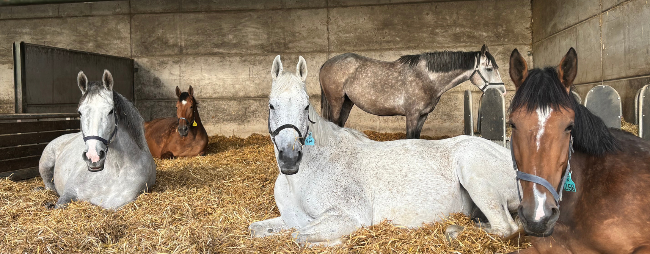
Winter barning also allows us to begin one of the most important aspects of preparing mares for the following breeding season: our artificial lighting programme. Horses are seasonal breeders, meaning their reproductive activity is influenced by the length of daylight. As the days shorten in autumn and winter, many mares enter a period of reduced ovarian activity known as seasonal anoestrus. During this time, mares may stop cycling regularly until increasing daylight stimulates reproductive activity in spring.
At Twemlows, mares receive a total of 16 hours of light each day. Artificial lighting is switched on at sundown and remains on until midnight, with the start time adjusting throughout the year to supplement natural daylight and maintain the consistent day length. By extending the perceived length of the day, the programme influences the hormonal processes responsible for reproductive activity, encouraging mares to return to regular cycling earlier than they would under natural daylight conditions.
The response is not immediate: it can take 6-8 weeks for mares to respond, some not responding for 60-90 days. Several weeks of consistent exposure to extended daylight are generally required, which is why the programme begins well ahead of the intended breeding period.
For our embryo transfer programme, preparing recipient mares to cycle at the appropriate time is particularly important. Successful embryo transfers depend on suitable recipient mares being available at the correct stage of their reproductive cycle.
For owners wishing to advance the onset of the breeding season while keeping their mares at pasture, Equilume light masks offer an alternative to traditional stable-based lighting programmes. These masks provide supplementary light to help stimulate reproductive activity and can be particularly useful when preparing donor or recipient mares for breeding earlier in the year, without the need to bring them into stables.
Feeding and Body Condition
All mares at Twemlows are provided with ad lib haylage, ensuring continuous access to forage. Additional hard feed is provided according to each mare’s individual requirements.
These requirements can vary depending on body condition, reproductive status and stage of pregnancy. Maintaining appropriate body condition is particularly important for breeding mares, while pregnant mares may require adjustments to their nutrition as gestation progresses. This individual approach allows the stud team to respond to the different needs of mares throughout winter.
Caring for Pregnant Mares
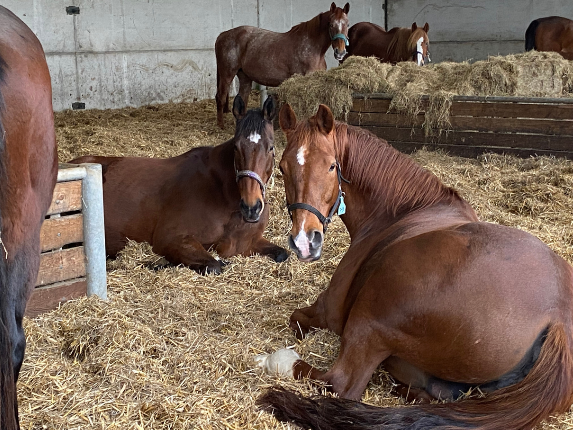
Throughout the winter, our pregnant mares receive regular health checks and preventative care as part of the wider management programme at Twemlows. Alongside monitoring their general health, appetite and body condition, particular attention is given to ensuring their nutritional and veterinary requirements are met as pregnancy progresses.
Parasite management is an important part of routine horse care across the stud. We use faecal worm egg counts (FECs) to help inform our worming programmes, although these cannot reliably detect encysted small redworm larvae or tapeworm. Given the number of horses managed at Twemlows and our assessment of the associated parasite risks, pregnant mares routinely receive Equest Pramox during the winter, before coming in for foaling. Containing moxidectin and praziquantel, this treatment targets parasites that may otherwise go undetected through routine FEC testing. Worming requirements vary between horses and management environments, and owners should always seek veterinary advice on an appropriate programme for their own mares.
Dental and foot care also remain important throughout pregnancy, as they do for all horses on the stud. We work closely with our dental team and on-site veterinary surgeons to provide appropriate dental care, including veterinary supervision and sedation where required. Maintaining good dental health supports effective chewing and body condition, particularly as nutritional demands increase during late pregnancy. Regular farriery helps maintain healthy feet and comfortable movement, with any signs of lameness or discomfort investigated promptly.
As mares approach their expected foaling dates, monitoring becomes increasingly focused on the pregnancy itself. Daily checks include observing udder development and examining for any abnormal vulval discharge. Premature udder development or discharge can indicate potential complications, including placental problems or infection, making early recognition particularly important.
Our on-site veterinary team also carries out ultrasound examinations to assess foetal wellbeing and placental health. Together with regular assessments of each mare’s condition and behaviour, these examinations help identify potential concerns early and allow appropriate veterinary investigation or intervention where required.
The aim throughout is to maintain the health and well-being of each mare while providing the close monitoring and individual care needed as we prepare for the coming foaling season.
Preparing for Spring
Winter preparations extend beyond the mares themselves.
Following a particularly dry summer, approximately 70% of the grassland at Twemlows has been overseeded, with one field fully reseeded in preparation for spring growth. Maintaining grazing land and managing facilities are important parts of ensuring the stud is ready for the coming season.
Preparations for foaling also continue throughout the winter, alongside our ongoing reproductive work, including the autumn and winter OPU programme.
While the nature of the work changes with the seasons, winter remains a busy and important period at Twemlows. From winter barning and artificial lighting to nutritional management, preventative health care and preparations for foaling, the work undertaken during these months helps lay the foundations for the breeding season ahead.