Weaning Season: Caring for the Growing Foal
- September 24, 2026
As the breeding season moves into autumn, many of this year’s foals are approaching another important stage: weaning.
Natural weaning occurs gradually, typically between seven and ten months of age. On stud farms, weaning commonly takes place at around five to six months. Timing can depend on the health of the mare and foal, with foals that have suffered illness or injury sometimes remaining with their dam for longer.
The weaning process itself is usually more abrupt, although there are several methods that can be adopted. Alongside the separation of mare and foal, this period also brings several considerations for the young horse, including nutrition, parasite management, vaccination and regular handling.
Managing the Separation
Weaning is a stressful period for the foal, and reducing that stress as far as possible is an important part of managing the process. Increased stress can leave young horses more susceptible to infection, so the aim is to make the transition as gradual and settled as possible.
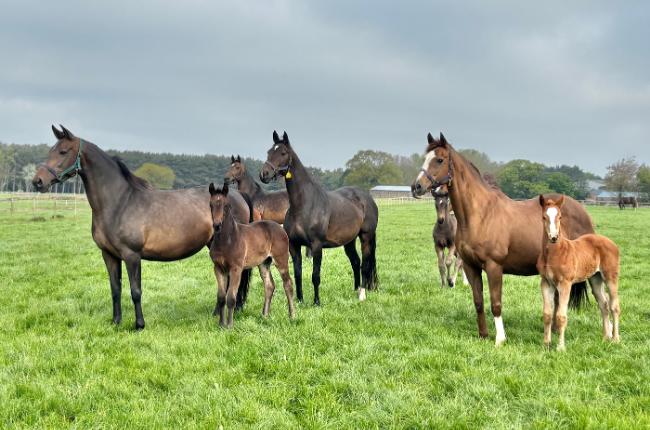
At Twemlows, a few mares are removed at a time from a group of suitably aged foals at pasture. This means the foals remain in familiar surroundings with their friends, while an older nanny mare is introduced to stay with the group of weanlings.
Following weaning, mares and foals should be kept separately and out of sight and hearing distance. This also helps to reduce the mare’s milk production.
Other potentially stressful procedures are also managed separately from weaning wherever possible, rather than combining vaccination, worming and separation at the same time. The Lawsonia vaccination programme is planned so that protection is already in place when weaning takes place.
Feeding the Weanling
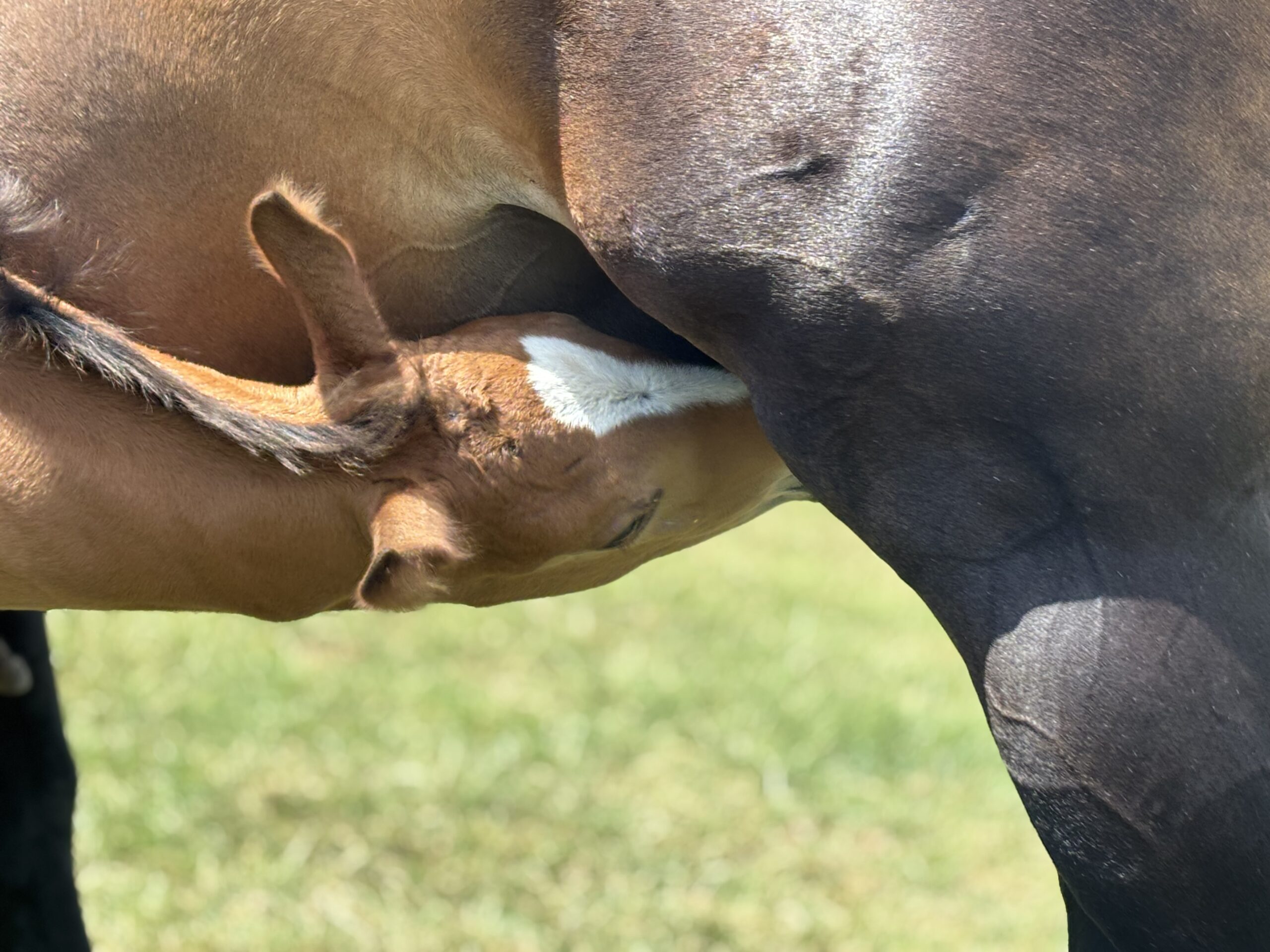
The transition towards independent feeding begins before weaning. Foals naturally begin creep feeding between eight and twelve weeks of age, making it important to ensure that the mare’s ration is safe for the foal to consume.
As foals develop and are weaned, forage and grazing account for most of their energy requirements. An age-appropriate concentrate feed can provide additional vitamins, minerals and quality protein but more feed does not necessarily mean better growth. Care should be taken to avoid overfeeding and an excessively high plane of nutrition.
Rapid growth encouraged by overfeeding can be detrimental to the developing young horse, with a high plane of nutrition recognised as one potential contributing factor in musculoskeletal conditions including physitis and osteochondrosis (OCD).
Physitis can present as localised swelling or flaring at the growth plates of the long bones. The swellings may be firm, painful or warm to touch, with the distal radius at the knee or the fetlock commonly affected.
Osteochondrosis occurs when there is a failure of ossification, resulting either in fragments of bone within the joint or the development of a cyst in the bone around the joint. It can sometimes be detected as an incidental finding, although joint distension and/or lameness may be evident.
Health Around Weaning
Weanlings can be at higher risk of certain conditions due to their young immune systems. One condition to be aware of is Equine Proliferative Enteropathy (EPE).
EPE is caused by the bacterium Lawsonia intracellularis, which can be picked up through the ingestion of infected faeces. The bacteria live inside the intestinal cells, causing thickening of the small intestine and affecting gut absorption.
Affected foals may show fever, diarrhoea, colic, lethargy and oedema, particularly swelling of the limbs, beneath the abdomen and under the jaw. In its milder form, the disease can stunt the growth of the foal, while more severe cases may require hospitalisation.
There is currently no EPE vaccine specifically developed for horses. However, a porcine vaccine has been found to be effective in reducing transmission and is the only vaccine currently available for this purpose in the UK. At Twemlows, it is administered per rectum on two occasions, 30 days apart, around the time of weaning.
Parasite Management
Horses under three years of age can be particularly susceptible to higher worm burdens, with parasite-related disease currently one of the most concerning areas for youngstock owners and increasingly widespread worldwide.
In foals under one year of age, ascarids, also known as roundworms, are of particular concern. They may cause ill thrift, lethargy and colic, with severe cases potentially resulting in death.
As foals grow older, the main concern shifts towards small redworm, or cyathostomins. These can be picked up when grazing contaminated pasture and can cause diarrhoea, colic, weight loss and wasting and, in severe cases, can also result in death.
Your vet can advise on a targeted worming protocol for your premises. Management practices that can help to reduce worm burdens include removing faecal material from paddocks at least twice weekly, reducing stocking density, resting pasture and rotating pasture with grazing ruminants.
Vaccination
Healthy foals should be vaccinated against equine influenza and tetanus. The first injection is given from five to six months of age, with the second dose administered four to six weeks later. Revaccination is then due five months after the primary course, with subsequent boosters given at six- or twelve-monthly intervals depending on competition requirements.
Healthy youngstock can also be vaccinated against Equine Herpesvirus 1 and 4 (EHV-1 and EHV-4).
EHV-1 and EHV-4 are contagious and can spread through nose-to-nose contact. They most commonly cause respiratory disease in youngstock, including fever, nasal discharge and coughing, although EHV can occasionally induce neurological signs.
The primary vaccination course for EHV-1 and EHV-4 begins at five months of age, with a second injection four to six weeks later. Booster vaccinations are then required at six-month intervals after the primary course is complete.
Handling and Farriery
Regular handling of foals both before and after weaning is important. This includes lead training and teaching foals to pick up their feet in preparation for routine farriery.
Growing foals can develop angular limb deformities (ALD) where there is a discrepancy in growth between the inside and outside of the long bones. Acquired flexural deformities involving the front and back of the limb can also occur. These can be associated with a traumatic or painful condition, such as a foot abscess, or can also occur as a result of a discrepancy in growth.
Regular assessment with a farrier and/or veterinary surgeon is important to address and manage conformational issues should they arise.
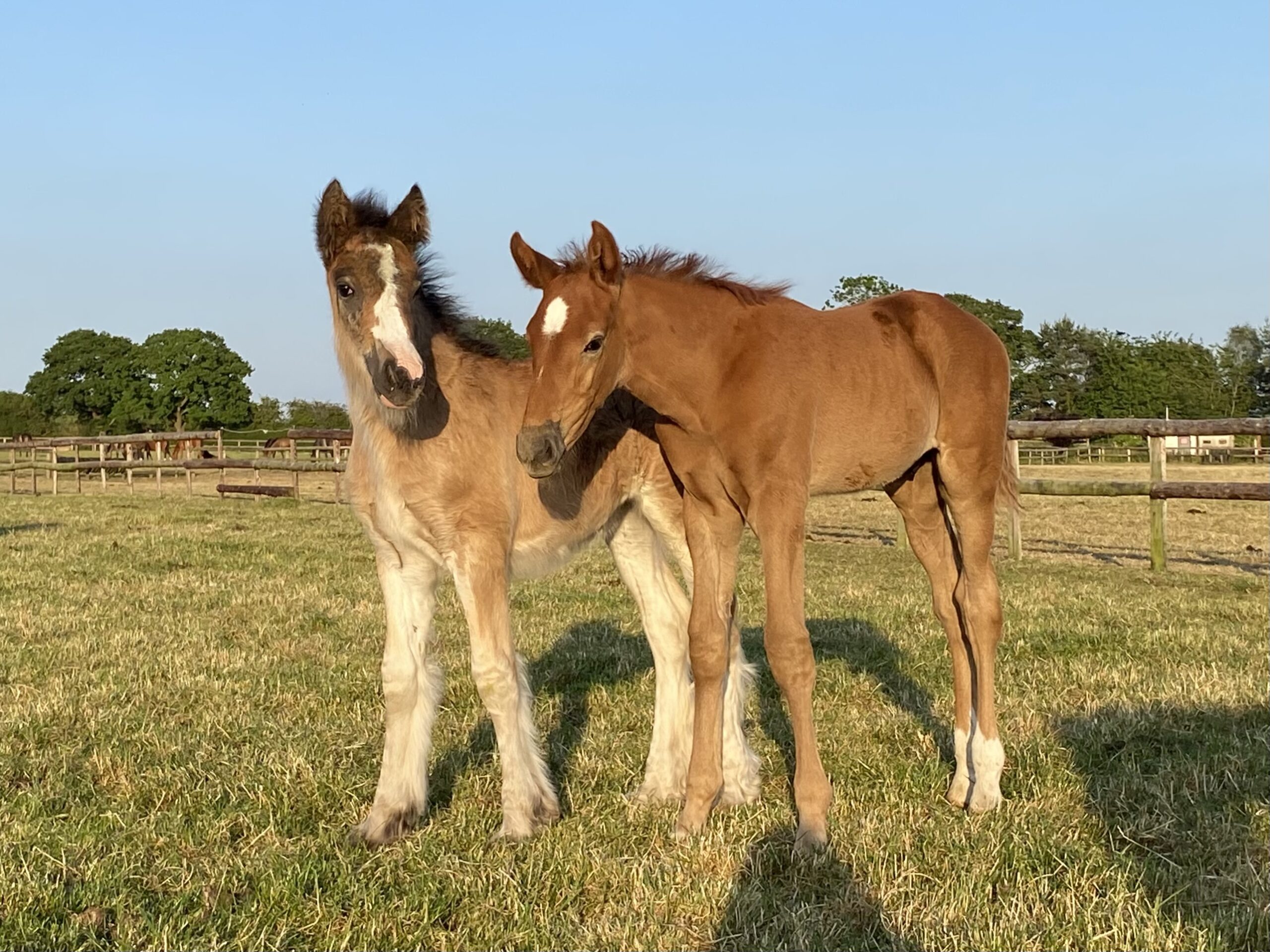
Moving into the Next Stage
Weaning brings together several changes in the management of a young horse. Alongside separation from the mare, attention turns increasingly towards the foal’s own nutrition, preventative healthcare, parasite management, handling and farriery.
With many foals reaching weaning age during the autumn, it is a useful point at which to review these different areas of their management and consider the next stage of their development.